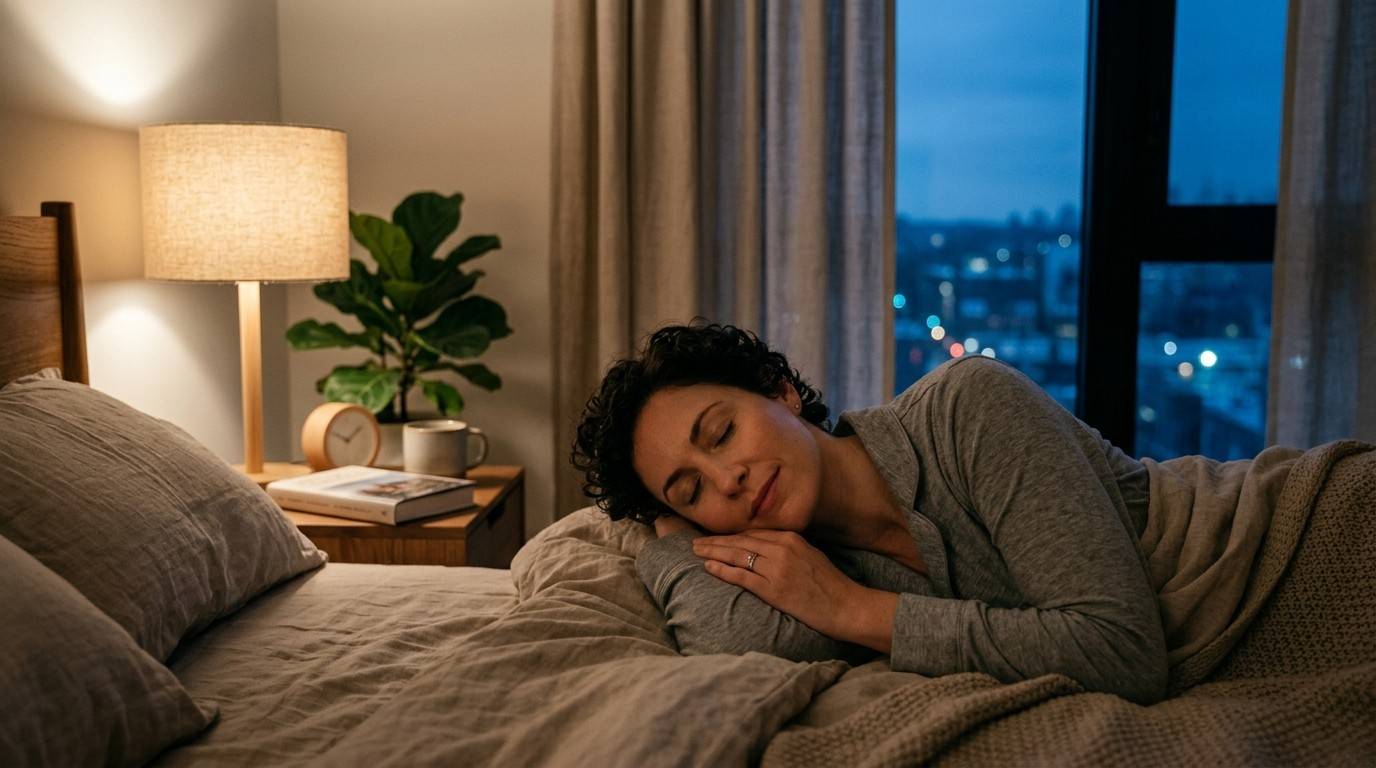
In today’s digital world, most people spend hours staring at smartphones, laptops, tablets, and LED screens. While technology improves productivity and entertainment, excessive exposure to blue light can disrupt sleep cycles, increase digital eye strain, and negatively impact long-term eye wellness. Many office workers, students, gamers, and remote professionals experience screen fatigue, headaches, and difficulty falling asleep after extended screen use.
Understanding how Blue Light Protection works can help you create healthier screen habits while improving visual comfort and sleep quality. From blue light blocking glasses to natural lifestyle adjustments, there are many effective ways to reduce exposure and support better sleep protection from blue light. At Arizona’s Vision Eye Care Center, helping patients achieve healthier vision and digital wellness is a top priority.
What Is Blue Light?
Blue light is a high-energy visible light emitted naturally by the sun and artificially by digital screens, LED lighting, and electronic devices. Phones, tablets, gaming systems, televisions, and computer monitors all produce blue wavelengths that can affect your eyes and brain.
During daytime hours, moderate blue light exposure helps boost alertness and focus. However, excessive nighttime exposure from screens can interfere with melatonin production, making it harder to sleep.
Common sources of blue light include:
- Smartphones
- Tablets
- LED lights
- Computer monitors
- Gaming screens
- TVs
- Laptop displays
This is why many people now seek blue light reduction solutions such as blue light filters, screen protector blue light filters, and blue light blocking glasses.
How Blue Light Affects Sleep
Your body follows a natural circadian rhythm that regulates sleep and wake cycles. Blue light exposure at night tricks the brain into thinking it is still daytime, suppressing melatonin production.
As a result, people may experience:
- Difficulty falling asleep
- Poor sleep quality
- Reduced REM sleep
- Morning fatigue
- Increased screen fatigue
- Eye discomfort
Using blue light prevention methods can significantly improve sleep quality and support digital wellness. Individuals who regularly use night mode protection, blue light app filters, or low blue light displays often report better sleep patterns and reduced eye fatigue.
Why Screen Exposure Before Bed Is Harmful
Late-night scrolling, gaming, or working on computers exposes the eyes to intense artificial light. Over time, this contributes to:
- Digital eye strain
- Computer vision syndrome
- Light sensitivity
- Headaches
- Visual discomfort
- Sleep disruption
This is why sleep protection from blue light has become a major focus in modern eye care technology.
Signs You Need Better Blue Light Defense
You may benefit from stronger screen light protection if you experience:
- Dry or irritated eyes
- Frequent headaches
- Blurred vision
- Trouble sleeping after screen use
- Eye fatigue prevention concerns
- Neck or shoulder tension
- Increased sensitivity to LED lighting
Many patients seeking eye strain relief are surprised to discover that excessive screen exposure is a leading cause of discomfort.
The Connection Between Screens and Eye Strain
Modern lifestyles revolve around digital devices. Long hours spent staring at screens can reduce blinking rates and increase exposure to glare and harsh light.
This contributes to:
Digital Eye Strain
Also known as computer vision syndrome, this condition includes:
- Eye fatigue
- Burning eyes
- Blurred vision
- Dryness
- Difficulty focusing
Screen Glare Reduction Matters
Glare from screens forces the eyes to work harder. Using anti glare screen protectors, blue light monitor filters, and anti glare glasses can improve display comfort and reduce visual stress.
Eye Wellness and Retina Protection
Although research continues regarding long-term retinal effects, many experts recommend proactive vision protection and retina protection strategies to support overall eye health.
Natural Ways to Block Blue Light
Fortunately, there are several effective ways to improve digital eye protection naturally.
1. Use Blue Light Blocking Glasses
One of the most effective solutions is wearing blue light blocking glasses designed to filter artificial screen light.
Benefits include:
- Better sleep support
- Reduced digital eye strain
- Improved eye comfort for screens
- Headache reduction
- Enhanced visual comfort
Options include:
- Prescription blue light glasses
- Non prescription blue light glasses
- Gaming glasses
- Computer glasses
- Screen glasses
Many people searching for the best blue light glasses choose lightweight styles suitable for work, gaming, and school.
2. Enable Night Mode Protection
Most smartphones, tablets, and laptops include built-in blue light app filters or night mode protection settings.
These features help:
- Reduce harsh screen brightness
- Lower blue wavelength exposure
- Improve nighttime viewing comfort
Combining device settings with blue light eyewear offers stronger blue light defense.
3. Limit Screen Time Before Bed
Reducing device usage 1–2 hours before bedtime helps restore healthy melatonin production.
Instead of screen use, try:
- Reading printed books
- Meditation
- Stretching
- Relaxation exercises
- Listening to calming music
This supports healthier sleep and reduces screen fatigue.
4. Use Proper Lighting
Avoid dark rooms with bright screens. Balanced ambient lighting reduces contrast stress and supports display comfort.
Warm lighting options can also reduce excessive LED exposure and improve eye wellness.
5. Follow the 20-20-20 Rule
Every 20 minutes:
- Look at something 20 feet away
- For at least 20 seconds
This simple strategy helps reduce eye strain from screens and supports healthy focusing muscles.
Benefits of Blue Light Blocking Glasses
Many patients ask, Does blue light protection work?
For many screen users, the answer is yes. Quality blue light protection lenses can help reduce discomfort associated with prolonged digital exposure.
Key Benefits Include:
- Improved sleep quality
- Reduced eye fatigue
- Better focus during work
- Fewer headaches
- Enhanced screen time eye care
- Better visual comfort
- Reduced glare exposure
People who spend long hours on digital devices often benefit from premium blue light protection solutions tailored to their daily needs.
Choosing the Best Blue Light Glasses
The ideal blue light glasses for screen time depend on lifestyle and screen usage habits.
Consider These Features:
Blue Light Coating
A specialized blue light coating helps filter artificial light while maintaining image clarity.
UV and Blue Light Protection
Some lenses combine UV and blue light protection for added outdoor and indoor coverage.
Comfort and Style
Today’s stylish blue light glasses are available in modern designs suitable for professionals, students, and gamers.
Purpose-Specific Eyewear
Different users may prefer:
- Blue light protection for work
- Blue light protection for gamers
- Kids blue light glasses
- Blue light protection for students
Blue Light Protection for Work, Gaming, and Students
Office Workers
People working long hours on computers often benefit from:
- Blue light protection for office workers
- Laptop eye protection
- Blue light monitor filters
- Computer glasses
Gamers
Extended gaming sessions increase exposure to intense screen brightness. Many gamers use:
- Gaming glasses
- LED light protection
- Anti glare glasses
- Blue light shield solutions
Students
Children and teens now spend significant time on tablets and laptops. Phone blue light protection and healthy screen habits can help support concentration and sleep quality.
Healthy Screen Habits for Better Sleep
Combining multiple strategies offers the best long-term results for blue light protection for sleeping.
Frequently Asked Questions
How to protect eyes from blue light naturally?
You can protect your eyes naturally by reducing nighttime screen exposure, enabling night mode settings, using warm lighting, following the 20-20-20 rule, and wearing blue light blocking glasses.
Does blue light protection work?
Many users report reduced digital eye strain, fewer headaches, and improved sleep quality when using blue light protection methods consistently.
What are the best blue light protection options for computers?
The best solutions include blue light blocking glasses, blue light monitor filters, anti glare screen protectors, and low blue light display settings.
Are blue light glasses helpful for sleep?
Yes. Many people use better sleep glasses to reduce nighttime blue light exposure and support healthier melatonin production.
Who should use blue light glasses?
Office workers, gamers, students, remote employees, and anyone with heavy screen exposure may benefit from blue light eyewear.
Can children wear blue light glasses?
Yes. Many parents choose kids blue light glasses to help reduce eye strain and encourage healthier screen habits.
Conclusion
As screen use continues to increase, protecting your eyes and sleep quality has never been more important. Excessive exposure to artificial blue light can contribute to digital eye strain, headaches, poor sleep, and reduced visual comfort. Fortunately, effective solutions such as blue light blocking glasses, screen filters, healthy lighting habits, and reduced nighttime screen use can make a significant difference.At Arizona’s Vision Eye Care Center, patients can receive professional guidance on Blue Light Protection, digital eye protection strategies, and personalized eyewear solutions designed for today’s screen-focused lifestyle.
Leave a Reply