Blog

  • Professional Air Duct Cleaning: 10 Signs Your Home Needs Service Right Now

    Professional Air Duct Cleaning: 10 Signs Your Home Needs Service Right Now

    Many homeowners don’t think about their ductwork until they notice excessive dust, strange odors, or rising energy bills. However, your HVAC system continuously circulates air through a network of ducts that can collect dust, debris, pet dander, mold, and other contaminants over time. Without proper maintenance, dirty ductwork can affect your home’s comfort, energy efficiency, and indoor air quality.

    Professional air duct cleaning is one of the most effective ways to keep your heating and cooling system operating efficiently while creating a healthier indoor environment. Whether you need residential air duct cleaning or commercial air duct cleaning, recognizing the early warning signs can help prevent larger issues. In this guide, we’ll explore the top 10 signs your home needs service right now and explain how expert air duct cleaning can restore clean, healthy airflow throughout your property.

    Why Professional Air Duct Cleaning Matters

    Your HVAC system acts as the respiratory system of your home. As air circulates, contaminants can accumulate within the ductwork, reducing airflow and spreading particles throughout your living space.

    Professional duct cleaning removes built-up debris from your ventilation system, helping improve indoor air quality improvement, HVAC maintenance performance, and overall comfort. A certified air duct cleaning team uses specialized equipment to clean supply vents, return air duct cleaning pathways, and the entire duct system thoroughly.

    Regular ductwork maintenance also supports air circulation improvement and extends the lifespan of your heating and cooling equipment.

    10 Signs Your Home Needs Professional Air Duct Cleaning Right Now

    1. Excessive Dust Around Vents and Registers

    If you constantly notice dust collecting around air vents despite regular cleaning, your ductwork may be circulating accumulated debris throughout your home.

    Dust removal from air ducts can significantly reduce airborne particles and improve cleanliness throughout your property.

    Common Indicators:

    • Dust buildup around vent covers
    • Dust returns quickly after cleaning
    • Visible debris inside vents

    This is often a clear sign that you need dusty air ducts cleaning services.

    2. Unexplained Allergy Symptoms

    When family members experience sneezing, coughing, itchy eyes, or respiratory irritation indoors, contaminated ducts may be contributing to poor air quality.

    Allergy relief duct cleaning helps remove:

    • Dust mites
    • Pet hair
    • Pollen
    • Pet dander

    Professional residential air duct cleaning can be especially beneficial for households with allergy sufferers.

    3. Persistent Musty or Moldy Odors

    A lingering musty smell when your HVAC system runs may indicate mold growth within the ductwork.

    Moldy air duct cleaning and air duct mold remediation services can eliminate contaminants and restore healthier airflow. In severe situations, mold removal from air ducts may be necessary to prevent spores from spreading throughout the home.

    4. Rising Energy Bills

    Dirty ducts can force your HVAC system to work harder than necessary.

    When airflow becomes restricted due to dust accumulation, the system consumes more energy to maintain comfortable temperatures. Professional HVAC duct cleaning services help restore airflow efficiency and reduce unnecessary strain on equipment.

    5. Uneven Heating and Cooling

    Are some rooms too hot while others remain cold?

    Blocked vents, debris buildup, and clogged air vent cleaning issues can restrict airflow throughout your home.

    A complete duct cleaning service helps ensure consistent airflow to every room, improving comfort and system performance.

    6. Recent Home Renovation or Construction

    Construction dust often settles deep inside ductwork.

    Even if contractors cleaned visible surfaces, hidden debris may remain inside your ventilation system. Ventilation duct cleaning removes drywall dust, wood particles, and construction residue that can circulate through your home for months.

    7. Visible Mold Growth Near Vents

    If you spot mold around vent covers or HVAC components, professional inspection should be scheduled immediately.

    Certified air duct cleaning professionals can assess the extent of contamination and recommend appropriate duct sanitizing services and remediation solutions.

    8. Excessive Pet Hair and Dander

    Homes with pets often experience faster contamination of duct systems.

    Pet dander duct cleaning helps remove:

    • Fur
    • Dander
    • Dust accumulation
    • Allergens trapped in ductwork

    This contributes to cleaner indoor air and improved comfort for occupants.

    9. Smoke or Lingering Odors Throughout the Home

    Smoke particles from cooking, fireplaces, or tobacco can become trapped inside air ducts.

    Smoke odor duct cleaning and air duct deodorizing service solutions help eliminate stubborn smells and improve overall freshness throughout the home.

    10. It’s Been Several Years Since Your Last Cleaning

    One of the biggest warning signs is simply neglecting routine maintenance.

    If you cannot remember your last HVAC duct cleaning appointment, it may be time for an air duct cleaning inspection. Regular cleaning helps maintain clean air ducts and supports long-term HVAC performance.

    Benefits of Professional Air Duct Cleaning Services

    Improved Indoor Air Quality

    Professional air duct cleaning removes contaminants that circulate through your home, supporting healthier breathing conditions and better indoor air quality services.

    Better HVAC Efficiency

    Clean ductwork allows your HVAC system to operate more efficiently, reducing strain and improving energy performance.

    Reduced Allergens

    Professional cleaning removes allergens that contribute to respiratory irritation and discomfort.

    Extended Equipment Life

    Routine HVAC cleaning services help prevent unnecessary wear and tear on heating and cooling equipment.

    Cleaner Living Environment

    Air vent cleaning services reduce the amount of dust settling on furniture, floors, and household surfaces.

    Residential vs. Commercial Air Duct Cleaning

    Professional Residential Air Duct Cleaning

    Homeowners benefit from cleaner air, improved HVAC performance, and reduced allergens.

    Common Residential Services:

    • AC duct cleaning
    • Furnace duct cleaning
    • Return air duct cleaning
    • Supply vent cleaning
    • Dryer vent and air duct cleaning

    Professional Commercial Air Duct Cleaning

    Businesses require routine ventilation system cleaning to maintain healthy indoor environments for employees and customers.

    Commercial properties often need:

    • HVAC vent cleaning
    • Large-scale ductwork cleaning services
    • Ventilation cleaning services
    • Scheduled maintenance programs

    How Often Should You Schedule HVAC Duct Cleaning?

    While every property is different, many professionals recommend scheduling air duct cleaning services every 3–5 years.

    More frequent service may be necessary if you have:

    • Pets
    • Allergy sufferers
    • Smokers
    • Recent renovations
    • High dust levels
    • Mold concerns

    Local air duct cleaning experts can perform an air duct cleaning inspection and recommend an appropriate schedule.

    Air Duct Cleaning Cost: What to Expect

    Many homeowners ask about air duct cleaning cost before scheduling service.

    Pricing varies depending on:

    • Property size
    • Number of vents
    • Duct system complexity
    • Level of contamination
    • Additional services such as duct sanitizing services

    The best way to determine air duct cleaning prices is to request a free air duct cleaning quote from a trusted duct cleaning service.

    Many companies also offer air duct cleaning specials, air duct cleaning deals, and air duct cleaning consultation services to help homeowners budget appropriately.

    Why Choose AirDuctVet Dryer & Vent Cleaning Services?

    When searching for the best professional air duct cleaning company, homeowners need experienced, licensed air duct cleaners who prioritize quality and customer satisfaction.

    AirDuctVet Dryer & Vent Cleaning Services provides:

    • Professional air duct cleaning
    • Air duct and vent cleaning services
    • HVAC cleaning services
    • Dryer vent and air duct cleaning
    • Same day air duct cleaning options
    • Affordable air duct cleaning services
    • Expert inspections and recommendations

    Whether you need a professional air duct cleaning near me solution, a trusted air duct cleaning company, or a complete duct cleaning service, AirDuctVet Dryer & Vent Cleaning Services is committed to helping you achieve cleaner, healthier indoor air.

    Frequently Asked Questions

    How do I know if I need professional air duct cleaning?

    Common signs include excessive dust, allergy symptoms, mold odors, poor airflow, rising utility bills, and visible contamination near vents.

    What is included in air duct cleaning services?

    Most services include cleaning supply vents, return ducts, HVAC components, registers, and other accessible ductwork.

    How much does professional duct cleaning cost?

    Professional duct cleaning cost varies depending on system size, contamination level, and service requirements. Requesting an estimate is the best way to determine pricing.

    Can air duct cleaning improve indoor air quality?

    Yes. Removing dust, allergens, mold spores, and debris can significantly contribute to indoor air quality improvement.

    Is same day air duct cleaning available?

    Many providers offer same day air duct cleaning depending on availability and service area.

    How often should commercial buildings schedule duct cleaning?

    Commercial properties should schedule inspections regularly and clean ducts based on usage, occupancy, and environmental conditions.

    Conclusion

    Clean ductwork plays a crucial role in maintaining healthy indoor air, efficient HVAC performance, and overall home comfort. If you’ve noticed excessive dust, unpleasant odors, uneven airflow, or rising energy costs, it’s likely time for professional air duct cleaning. Addressing these warning signs early can help prevent costly repairs while improving your family’s indoor environment.

    For reliable service, expert recommendations, and comprehensive duct cleaning solutions, contact AirDuctVet Dryer & Vent Cleaning Services today to schedule an inspection and receive a free air duct cleaning quote.

  • Virtual Cards vs PayPal in South Africa: A Practical Comparison

    Virtual Cards vs PayPal in South Africa: A Practical Comparison

    If you want tight merchant control, low fraud exposure and predictable fees, pick virtual cards — they give you instant, single‑use numbers, spending limits and easy cancellations. If you need invoicing, buyer protection and fast cross‑border receipts, pick PayPal — it’s better for client payments and quick checkout. Watch funding and withdrawal fees either way, and use a linked SA bank for cheaper top‑ups. Keep going to see provider picks, fees and practical workflows.

    Quick Decision Flow: Virtual Card or PayPal in 60 Seconds?

    Need to make a fast call? You’ll decide between virtual card features and PayPal advantages in seconds by answering three quick prompts.

    First, are you paying a merchant that accepts virtual cards? If yes, a virtual card often wins for one-time use, spend limits, and instant card detail generation. If not, choose PayPal for broader merchant acceptance and easier international checkout.

    Second, are you after buyer protection or dispute resolution? Pick PayPal for built-in protections and chargeback pathways.

    Third, do you need recurring billing or easy payouts to others? Go with PayPal for subscription management and sending money.

    In short: prefer virtual cards for controlled, single-use security; prefer PayPal when acceptance, dispute support, or sending funds matters.

    What Virtual Cards Are and How They Work in South Africa

    When you create a virtual card in South Africa, your bank or fintech issues a digital card number, CVV and expiry that you can use immediately for online or in-app payments without a physical card. This lets you set spending limits, single-use or time-limited credentials, and merchant locks to reduce fraud and control where money goes.

    You’ll get the virtual card basics: a tokenised number tied to your account or a prepaid balance, configurable limits, and instant activation or cancellation. Use it for subscriptions, one-off buys, or merchant-specific payments.

    You’ll enjoy digital payment advantages like reduced exposure of your main card, easier dispute handling, and clearer transaction records. Set rules, monitor activity in the app, and cancel compromised cards instantly.

    How PayPal Works for South African Users

    When you sign up for PayPal in South Africa, you’ll run into account setup limits and verification steps that affect how much you can send and receive.

    You’ll also need to plan for withdrawal options, since moving funds to local bank accounts can take time and may not be supported the same way as in other countries.

    Don’t forget to factor in the various fees for currency conversion and withdrawals when comparing PayPal to virtual cards.

    Account Setup Limits

    Although PayPal’s core features are available in South Africa, you’ll face specific account setup limits and verification steps that affect how you send, receive, and withdraw money.

    When you start the setup process, PayPal asks for user requirements like ID, address, and linked bank or card; those inputs determine your limit types and the scope of account verification. You’ll want to complete verification early to avoid restrictions.

    • New accounts often have receive/send caps until verification completes.
    • Linking and confirming a bank account or card raises limits and enables more features.
    • PayPal may request ID documents and proof of address as part of the verification flow.
    • Remaining unverified keeps stricter daily, monthly, and transaction limits that constrain business and personal use.

    Withdrawal And Fees

    Because PayPal routes South African withdrawals through partnered local banks and intermediaries, you’ll face specific fees, processing times, and conversion charges that differ from using purely local services.

    You can withdraw via linked South African bank accounts when PayPal allows transfers, or use alternative withdrawal methods like requesting payment through a connected global bank in a supported currency, though availability can change.

    PayPal’s fee structures include fixed withdrawal fees, percentage-based currency conversion charges, and intermediary bank fees that may be deducted before funds reach you.

    Processing times vary from a day to several business days depending on routes and weekends.

    To minimize surprises, check current PayPal policies, confirm which withdrawal methods are active on your account, and calculate conversions before requesting transfers.

    Finally Getting Our Subscription Pile Under Control

    Our subscription list had swelled into something we couldn’t even audit. A friend running a media shop reined his in by giving every service its own card. He pointed us to the Qwikvcc subscription virtual card, and within a week our recurring spend finally added up. Each tool sits on a prepaid card with a hard cap, so nothing can inflate its price or auto-renew on the sly. If your credit card statement reads like a riddle, this VCC method turns it into something skimmable.

    Where to Get Virtual Cards and Recommended Providers

    Finding a virtual card is straightforward: you can get one from banks, fintechs, or global payment apps that support South Africa. You should pick a provider based on fees, card acceptance, funding options, and security features.

    You’ll want virtual card providers that work where you shop and act as solid PayPal alternatives for international payments or subscriptions. Consider ease of setup, top-up methods, fraud protection, and customer support when choosing.

    • Traditional banks offering linked virtual cards for online use
    • Local fintechs with app-based issuance and fast KYC
    • Global apps (where available) that integrate multicurrency wallets
    • Specialized virtual card services focused on single-use or subscription control

    Test a low-value transaction first to confirm acceptance and limits.

    Fees Compared in South Africa: Issuance, Transactions, Withdrawals

    Now that you’ve identified providers that meet your acceptance and security needs, compare what they charge: issuance, transaction, and withdrawal fees can vary widely and often determine whether a virtual card is economical for regular use or only occasional purchases.

    You should list issuance fees up front, note whether they’re one-time or recurring, and weigh transaction fees per swipe or online payment against your expected volume.

    Check withdrawal fees if you’ll move funds to a bank or ATM. Use comparison metrics tied to your user preferences: low-cost micropayments, payment security, or broad merchant acceptance.

    Don’t forget service accessibility and regional differences across South Africa, plus whether currency conversion impacts costs when merchants bill in other currencies.

    What Exchange Rates and FX Fees You’ll Actually Pay

    When you pay in a foreign currency with a virtual card or PayPal, the headline rate you see isn’t the whole story — providers layer on FX markups, flat conversion fees, or both, and those add up differently depending on transaction size and frequency.

    You’ll often face a spread above mid-market rates; virtual card issuers usually add a percentage, while PayPal tacks on a larger percentage plus occasional fixed fees.

    Consider how exchange rate fluctuations affect timing: small frequent purchases magnify percentage markups, while one-off large payments make fixed fees more visible.

    Think of it like applying basic forex trading strategies to minimise cost.

    • Virtual cards: low percentage markup, fast settlement
    • PayPal: higher spread, extra fixed fees
    • Mid-market rate visibility varies by provider
    • Timing matters because of exchange rate fluctuations

    Spending Limits, Top‑Ups, and Verification Differences

    Because virtual cards and PayPal handle limits, top-ups, and verification very differently, it’s important to pick the one that fits how you’ll use it:

    Virtual card providers often set strict per-card and per-top-up ceilings and expect you to preload funds (so you’ll hit caps if you make frequent or large payments), while PayPal gives more flexible ongoing access tied to your verified account but may require identity checks, bank linking or business verification before raising limits.

    You’ll find spending flexibility higher with PayPal for recurring or larger purchases, while virtual cards offer predictable usage limitations that prevent overspend.

    Top up methods differ: instant card or bank transfers for virtual cards versus linked bank, card, or balance transfers for PayPal.

    Verification processes vary in steps and documentation required.

    Security and Fraud Protection: Card Controls vs PayPal Buyer Protection

    You can set card-level spending limits and freeze or cancel virtual cards instantly to stop suspicious charges.

    PayPal’s buyer protection and dispute process works differently, since you’ll open claims through their platform rather than via your bank’s card dispute channels.

    Compare who bears liability and how chargebacks are handled to decide which gives you stronger protection in a given situation.

    Card-Level Spending Controls

    Although both virtual cards and PayPal aim to protect your money, they do it very differently: virtual cards give you per-card limits, merchant restrictions, and single-use numbers you control, while PayPal relies on account-level buyer protection and dispute resolution handled after a transaction.

    You’ll find virtual cards let you set card limits and spending thresholds per merchant or category, with real time monitoring and transaction alerts that feed into budget tracking.

    PayPal groups controls at account level, so customizable settings focus on linked accounts, withdrawal rules, and notifications rather than per-card granularity. Check usage history to reconcile activity and refine spending categories.

    • Set per-card limits and single-use numbers
    • Receive transaction alerts and real time monitoring
    • Use usage history for budget tracking
    • Apply customizable settings by spending categories

    Dispute Process Differences

    Moving from how you set and monitor card-level limits, it’s important to understand how disputes are handled when things go wrong.

    You’ll find dispute resolution differs: virtual card issuers route claims through banks with formal claim processes, while PayPal offers its own buyer protection interface.

    User experiences vary—cards often require phone calls and bank forms; PayPal keeps everything online.

    Timeframes comparison matters: banks may take longer to investigate, whereas PayPal typically provides faster provisional holds.

    Documentation requirements also differ—cards want transaction records and ID verification; PayPal asks for messages, tracking info, and photos.

    Your resolution success depends on the clarity of evidence and adherence to each provider’s steps, so preserve proof and follow the specified timelines.

    Liability And Chargebacks

    When fraud or disputed charges occur, liability paths and chargeback procedures determine who eats the cost — and they work quite differently for virtual cards versus PayPal.

    You’ll find payment security and liability coverage often tilt in your favor with virtual cards: banks can block numbers, limit amounts, and absorb some fraud disputes, but user responsibility still matters when you share details or ignore alerts.

    PayPal centralizes dispute handling with buyer protections, yet its chargeback process can route back to your linked card or bank.

    • Virtual cards: isolated numbers reduce exposure and simplify transaction disputes.
    • Banks: may offer stronger liability coverage but expect timely fraud reports.
    • PayPal: offers seller/buyer dispute resolution but can reverse funds.
    • Your responsibility: document fraud disputes and follow provider steps.

    Speed & Convenience: One‑Offs, Recurring Billing, and Refunds

    Because speed and convenience shape your daily payments, you’ll want to know how virtual cards and PayPal handle one‑offs, recurring charges, and refunds.

    For one off purchases virtual cards shine: you create a card, transact quickly, and often avoid exposing your main account. Transaction speed is usually instant, and convenience factors like single‑use numbers reduce fraud risk.

    PayPal also offers fast checkout and strong payment flexibility across merchants, with saved methods for recurring payments and subscriptions.

    Refund processes differ: virtual card refunds may return to the issuing account or card number (sometimes delayed by transaction limits), while PayPal refunds usually appear in your PayPal balance fast and let you move funds to your bank.

    Consider user experience and limits when choosing.

    Compatibility: Local Merchants, Subscriptions, and International Stores

    After you’ve weighed speed and refund handling, you’ll want to check how each option actually works where you shop. You’ll find tradeoffs: virtual cards often plug into local payment integration via your bank, while PayPal shines for international transaction compatibility.

    Consider subscription flexibility too—virtual cards give you easy single-use limits, PayPal manages recurring billing centrally. Merchant acceptance rates vary: many SA online stores accept cards directly, fewer offer PayPal checkout.

    • Local stores: card terminals and gateways beat merchants lacking PayPal buttons.
    • Subscriptions: PayPal auto-renew is simple; virtual cards need manual updates or tokenization.
    • International shopping: PayPal reduces address/verification friction; cards may be blocked by some sites.
    • Control: virtual cards give tighter spend limits; PayPal gives centralized subscription control.

    Sending & Receiving Money: Peer Transfers, Invoices, and SA Withdrawals

    If you need to move money between people or collect payments, consider how each method handles peer transfers, invoices, and South African withdrawals: virtual cards aren’t built for person-to-person payments or invoicing, while PayPal offers easy peer-to-peer sends and hosted invoices but adds fees and limits for SA accounts.

    Withdrawing funds in South Africa can be straightforward with a linked local bank via PayPal’s withdrawal rails (though fees and delays apply).

    Conversely, virtual-card-linked accounts typically require transfers through your bank or card issuer and may not support easy inbound receipts.

    You’ll weigh peer transfer options: PayPal’s in-app sends versus manual bank transfers tied to virtual cards.

    Invoice features favor PayPal’s templates and tracking.

    Withdrawal processes differ in speed and cost.

    Transaction security and overall user experience also vary; PayPal centralizes records, while virtual setups rely on issuer statements.

    Best Option by Persona: Freelancer, Small Business, Shopper, Traveller

    Now that you’ve compared how peer transfers, invoicing, and withdrawals work, pick the tool that matches how you operate.

    You’ll want to match features to real-world needs: think freelancer needs, small business realities, shopper preferences, and traveller insights to choose confidently.

    • Freelancer: if you value easy invoicing and direct client payments, PayPal often fits; virtual cards help manage subscriptions and platform fees.
    • Small business: use PayPal for customer checkout and invoicing; virtual cards control spending and vendor subscriptions.
    • Shopper: virtual cards give merchant-level control and privacy, matching common shopper preferences for one-off purchases.
    • Traveller: virtual cards reduce fraud risk abroad, while PayPal eases booking and refunds—lean on the combo that minimizes hassle.

    Cost‑Saving Tips and a Practical Workflow for South African Users

    You can cut costs by minimizing currency conversion fees, picking the right card or PayPal currency settings, and timing transfers when rates are better.

    Fund virtual cards smartly—top them from local ZAR accounts or use multi-currency wallets to avoid extra bank charges.

    Combine those steps into a simple workflow: set preferred currency, fund the card/wallet, and route payments through the cheapest channel.

    Minimize Conversion Fees

    Because conversion fees can quietly eat into every online purchase or transfer, taking a tactical approach will save you meaningful money over time. You’ll want to learn conversion strategies and compare fee structures across providers so you don’t overpay.

    Focus on predictable rates, low markups, and clear disclosures.

    • Use providers with transparent fee structures and minimal percentage markups.
    • Batch transactions when possible to reduce repeated fixed fees per transfer.
    • Hold funds in the currency you spend most to avoid repeated conversions.
    • Compare virtual card offers and PayPal’s conversion option before checkout.

    Follow a simple workflow: check rates, choose the cheapest provider for that currency, and execute batched payments when practical. Small savings compound fast.

    Smart Card Funding

    With conversion fees handled, the next savings frontier is how you fund virtual or physical cards—smart funding choices stop fees before they start.

    You’ll prioritize low-cost funding rails: instant bank transfers, debit top-ups, or linked SA bank accounts instead of credit cards that add cash-advance fees.

    Compare providers for zero or flat funding fees and use multi-currency wallets only when needed to avoid hidden FX margins.

    The smart card benefits include tighter control over spend, easier reconciliation, and fewer surprise charges.

    Practical funding options mix small, frequent top-ups with buffer balances to avoid urgent, costly transfers.

    Set automated low-balance alerts, keep records for tax and expense claims, and test a single card flow before scaling to multiple cards or team access.

    Streamlined Payment Workflow

    1 clear workflow cuts costs and headaches: map how money moves from your SA bank or funding source to each virtual or physical card, then to vendors, and close the loop with reconciliation.

    You’ll improve streamlined transactions and boost payment efficiency by standardizing steps, setting limits, and automating postings. Keep records simple and auditable so you spot fees or mismatches fast.

    • Fund dedicated virtual cards from a main account for subscriptions and ad spend.
    • Use physical cards for local suppliers and cash needs, tracking receipts digitally.
    • Automate vendor payments via scheduled batches to avoid manual errors and forex spikes.
    • Reconcile weekly: match bank pulls, card transactions, and vendor invoices.

    Follow this practical workflow to cut fees, prevent fraud, and make audits painless.

    Frequently Asked Questions

    Can I Link a Virtual Card to My Paypal Account in South Africa?

    Yes — you can often link a virtual card to your PayPal account in South Africa; you’ll gain virtual card features like single-use numbers and spending controls while enjoying PayPal benefits such as buyer protection and easy checkout.

    Do Virtual Cards Support Recurring Subscription Billing Reliably?

    Absolutely — you can rely on virtual cards for recurring billing, but don’t expect perfection: subscription management and payment reliability vary by issuer, so you’ll want fallback plans, monitoring, and timely card renewals to avoid interruptions.

    How Do Chargebacks Work With Virtual Cards Versus Paypal Disputes?

    You’ll see virtual cards use the card issuer’s chargeback process, while PayPal runs its own dispute resolution; you’ll initiate claims, provide evidence, and expect timeframes and outcomes to vary by issuer, PayPal’s policies, and merchant response.

    Can I Load a Virtual Card With Crypto or Only Rand?

    Yes — you can sometimes load a virtual card with crypto, but don’t expect miracles: irony aside, crypto limitations mean providers vary; check loading options, exchanges or gateways supported, conversion fees, and local regulations before you try.

    Are Virtual Cards Accepted for In‑Store (POS) Chip & PIN Payments?

    Yes — some issuers enable in store acceptance for virtual cards, but you’ll often face chip & pin functionality limits because virtual card limitations mean they’re mainly for online or contactless payments; check South Africa usage specifics with your provider.

    Final words

    Think of choosing between virtual cards and PayPal like packing for a short trip: virtual cards are your zip‑locked essentials—secure, single‑use, and great for one‑off buys—while PayPal’s your multitool, handy for invoicing, recurring payments, and international receipts. Match the tool to your journey: freelancers and businesses lean PayPal; shoppers and privacy‑minded users pick virtual cards. Mix both for flexibility, cut fees by picking the right provider, and you’ll travel light, fast, and financially smart.

  • How to Protect Your Money When Shopping Online in Indonesia

    How to Protect Your Money When Shopping Online in Indonesia

    When shopping online in Indonesia, verify sellers, check ratings and badges, and prefer official stores or well-known marketplaces to avoid fakes. Use secure payments like trusted e‑wallets, tokenized cards, or COD after inspection, and enable two‑factor authentication on accounts. Keep strong unique passwords, set transaction limits and alerts, and document chats and receipts for disputes. Know your consumer rights and escalation paths, and follow these steps now to learn practical next actions.

    Quick Checklist: 6 Steps to Protect Your Money When Shopping Online in Indonesia

    1 quick checklist can keep you from losing money when shopping online in Indonesia: verify the seller, use secure payment methods, enable two-factor authentication, check for HTTPS, review return and refund policies, and monitor your bank or e-wallet statements regularly.

    You’ll confirm seller credibility by checking ratings, seller history, and contact details before buying. Match payment options to current digital payment trends—choose card tokenization, reputable e-wallets, or escrow when available.

    Turn on two-factor authentication for accounts tied to purchases and payments. Always look for HTTPS and valid certificates on checkout pages.

    Read return and refund terms so you won’t be surprised if something goes wrong. Finally, reconcile transactions against your statements to spot suspicious charges quickly.

    Choose Trusted Marketplaces and Official Brand Stores

    When you shop, stick to well-known marketplaces and official brand stores so you cut your risk of fake products, scams, or poor after-sales support. These platforms usually vet sellers, offer buyer protection, and make disputes or refunds easier to handle.

    You’ll find it simpler to protect your money when you prioritize trusted sellers and official websites: they’re more likely to honor warranties, show authentic product listings, and provide secure payment flows. Use platform filters to find brand stores, look for “official” tags, and prefer checkout options that keep payment details private.

    If a deal looks too good, pause and verify it on the brand’s site before buying.

    • Bright storefront with brand logo
    • Verified badge on a listing
    • Clear warranty and return policy
    • Secure checkout screen
    • Official website confirmation page

    Check Seller Reputation, Ratings, and Verified Badges

    Once you’ve focused on official stores and major marketplaces, check each seller’s reputation before you buy.

    Look at seller feedback scores and recent reviews to spot patterns: repeated delivery delays, damaged items, or poor communication are red flags.

    Prioritize sellers with many positive ratings and fast response times.

    Also confirm verified profiles and platform badges—these indicate identity checks or business verification that reduce scam risk.

    Read a few negative reviews to see how the seller handled problems; prompt refunds and clear explanations mean they’re reliable.

    If ratings are low or sparse, consider other offers or contact the seller with questions; a legitimate seller will reply promptly and transparently.

    Trust measurable reputation, not just low prices.

    Handling Multiple Currencies Without the Hassle

    Paying for tools priced in different currencies used to mean watching exchange fees pile up. A friend who works with international clients told us she relies on a multi-currency virtual card for international payments to keep costs predictable. She suggested Vizocard, and it simplified our cross-border spending instantly. Instead of one credit card racking up surprise conversion charges, we use dedicated virtual cards we can fund and track per region. For anyone running a business across borders, a flexible prepaid card setup removes a surprising amount of friction.

    Verify Product Authenticity Before You Buy

    Because counterfeit or misrepresented goods can cost you time and money, verify a product’s authenticity before you hit buy.

    You’ll do quick product verification by checking detailed photos, serial numbers, and brand labels against official sources.

    Read the description for manufacturing details and compare them with the brand’s website.

    Look for third‑party authenticity checks like QR codes, holograms, or certification links, and ask the seller for proof if something’s unclear.

    Keep screenshots of listings and correspondence until the item arrives.

    • Close-up photos of stitching, logos, and tags
    • A serial number matched on the brand site
    • A seller’s scanned warranty card or certificate
    • A visible hologram or QR code on packaging
    • Clear packaging that shows branded seals

    Choose Secure Payment Methods: E‑Wallets, Transfers, COD

    Verifying a product’s authenticity helps you decide which payment method to trust for the purchase.

    Choose methods that balance convenience and safety: reputable e-wallets, bank transfers, or cash on delivery (COD).

    E-wallet benefits include quick refunds, reduced card exposure, and clear transaction records you can track.

    For transfers, confirm recipient details and use official bank apps to lower fraud risk.

    With COD, inspect the item before paying to avoid prepayment scams, but be cautious with high-value goods.

    Always check platform fees and seller ratings before picking a method.

    Prioritize options that offer strong transaction security, two-factor authentication, and easy dispute channels so you can act fast if something goes wrong.

    Use Payment Protection, Escrow, and Platform Guarantees

    When you buy through platforms that offer payment protection, escrow, or guarantees, you get a safety net that can recover your money or hold funds until you confirm receipt and satisfaction.

    You should prefer those options when choosing payment methods so disputes are handled by the platform, not just the seller. Escrow keeps the seller from getting paid until you verify the item, and guarantees can cover refunds for damaged or misdescribed goods.

    Always follow the platform’s claim process and keep records to speed resolution. These protections strengthen transaction security and reduce your risk.

    • a package held in escrow until you click “received”
    • a timed refund window that protects buyers
    • platform dispute chat logs as proof
    • insured deliveries for high-value items
    • automated chargeback triggers for fraud

    Spot Common Scams and Fake Listings Fast

    How can you spot a fake listing fast?

    Check seller history: new accounts, few reviews, or inconsistent ratings are common scam indicators.

    Look for unrealistic prices or stock claims that pressure you to act now.

    Read photos carefully—reverse-image search can reveal duplicated or stolen images used across fraudulent listings.

    Verify product details and compare with official descriptions; vague specs or copied text often signal a scam.

    Inspect communication: sellers who avoid platform chat or push payment outside the marketplace are risky.

    Confirm shipping origins and return policies; missing or unclear terms are red flags.

    Use platform verification badges and third-party reviews to cross-check credibility.

    Trust your instincts—if something feels off, pause and investigate further.

    Protect Your Login and Personal Data (Phishing, Passwords)

    Watch for phishing emails and texts that try to trick you into giving up account details by pretending to be a retailer or bank.

    Use unique, strong passwords or a password manager so a single breach can’t expose all your accounts.

    Turn on two-factor authentication everywhere it’s offered to block attackers even if they get your password.

    Recognize Phishing Attempts

    Ever wonder how a seemingly urgent email or text can trick you into handing over passwords or payment info? You’ll spot phishing tactics by checking sender addresses, looking for misspellings, and questioning urgent requests.

    Legit services rarely ask for passwords via message or force immediate action without proper email verification. If a link looks odd, don’t click—hover to preview the URL or open the official app instead.

    Report and delete suspicious messages, and verify charges through the official site or bank.

    • A message saying “confirm now” with a weird sender
    • A link that points to a strange domain instead of the real store
    • Poor grammar and unexpected attachments
    • Urgent threats about account suspension
    • Requests for passwords or full card numbers

    Use Strong Passwords

    Spotting phishing is only half the battle—you also need strong passwords to keep attackers from getting into accounts even if they snag other details.

    Use unique passwords for every shopping site and payment app so a breach on one service won’t open others. Aim for password complexity: mix upper and lower letters, numbers, and symbols, and avoid common phrases or predictable substitutions.

    You don’t have to memorize dozens of long strings—use password managers to generate and store secure credentials safely. Protect your password manager with a single strong master passphrase and keep its software updated.

    Regularly review and replace weak or reused passwords, especially after any service reports a breach, to reduce risk to your money and identity.

    Enable Two-Factor Authentication

    When you add two-factor authentication (2FA) to an account, you create a second barrier that keeps attackers out even if they’ve your password.

    You should turn on 2FA for shopping sites, banking apps, and email so thieves can’t access orders or financial info. Choose authentication apps or SMS where available, but prefer authentication apps for stronger protection.

    Keep backup codes offline and update recovery options. Treat secure codes like cash: don’t share them or enter them on untrusted pages.

    • A phone buzzing with a one-time secure code
    • An authentication app showing rotating numbers
    • A printed list of backup codes in a safe
    • A locked drawer holding your recovery keys
    • A confirmation screen after a login attempt

    Set Payment Limits and Enable Two‑Factor Authentication

    Set daily transaction limits on your cards and accounts so a compromised payment method can only cause limited damage.

    Turn on two‑factor authentication for your bank and shopping accounts to block access even if someone gets your password.

    Check your account activity regularly and report any unfamiliar charges right away.

    Set Daily Transaction Limits

    A smart way to limit damage from a compromised account is to set daily transaction limits and enable two‑factor authentication, so attackers can’t drain your funds in a single session.

    You should cap transfers and card payments to match your normal daily spending and keep transaction monitoring active. Set limits in your bank or e‑wallet app, review alerts, and lower limits for online marketplaces.

    If you spot unusual activity, freeze payments immediately and contact your provider.

    • A sudden failed large transfer at midnight
    • A blocked checkout after you hit a low cap
    • A notification of small test charges you didn’t make
    • Your daily spending graph suddenly spiking
    • An auto‑freeze that stops further transactions

    These steps reduce risk and give you time to respond.

    Enable Two‑Factor Authentication

    Two simple steps—limiting payment amounts and turning on two‑factor authentication (2FA)—give you far more control over online purchases and stop most account takeovers before they start.

    Set low payment caps on cards and e‑wallets so a stolen credential can’t drain your funds.

    Then enable 2FA everywhere the option exists: use authentication apps for time‑based one‑time passwords or push approvals rather than SMS, and choose biometric verification where available for quicker, stronger sign‑ins.

    Link 2FA to your most important accounts—banking, payment providers, and major marketplaces—to force attackers to supply a second proof beyond your password.

    Keep backup codes in a secure place and update methods if you change devices, so you won’t lose access when you need it.

    Monitor Account Activity Regularly

    Check your accounts at least weekly so you spot unauthorized charges, strange logins, or unexpected changes before they become bigger problems.

    Set low payment limits on cards and wallets, enable two‑factor authentication everywhere, and turn on account alerts for transactions and login attempts. Use your bank’s fraud monitoring tools and report anomalies immediately.

    If you see something off, freeze the card, change passwords, and contact support.

    • A late-night login from a distant city
    • Multiple small purchases you didn’t make
    • A new linked device or unfamiliar phone number
    • An emergency refund request from a seller
    • Repeated failed login attempts from unknown IPs

    Regular checks plus alerts and fraud monitoring keep your money safer.

    Use Bank and Card Security: Alerts, Virtual Cards, Dispute Tools

    Because your bank and card issuer are on the front line of fraud prevention, you should take full advantage of their security tools—set transaction alerts, use virtual or single‑use card numbers for risky merchants, and know how to dispute charges promptly if something goes wrong.

    Sign up for bank notifications (SMS, email, app push) so you catch unauthorized activity fast. Enable real‑time alerts for online, international, and high‑value transactions.

    Try virtual card usage when shopping on unfamiliar sites or with one‑time sellers; they limit exposure by expiring or locking after use. Keep your card and app credentials updated, enable biometrics and two‑factor authentication, and store issuer contact details for quick reporting.

    Regularly review security settings and adjust limits to suit your risk tolerance.

    How to File Disputes, Get Refunds, and Exercise Consumer Rights in Indonesia

    If a seller won’t honor a return or refund, you can file a dispute through your bank or card issuer and escalate with the marketplace.

    Know your rights under Indonesia’s consumer protection laws—keep records like receipts, chats, and screenshots to support your claim.

    If needed, you can also report complaints to the National Consumer Protection Agency (BPKN) or use online complaint portals to push for a resolution.

    How To File Disputes

    Anyone can run into a problem with an online purchase, but you’ve got clear steps to get a refund and enforce your consumer rights in Indonesia.

    First, document everything: screenshots, receipts, chat logs.

    Contact the seller courteously, state your desired remedy, and set a reasonable deadline.

    If that fails, use the marketplace’s dispute resolution tools or escalate to your bank for chargebacks.

    Reach out to consumer advocacy groups or the National Consumer Protection Agency (BPKN) for guidance and mediation.

    Keep records of all interactions.

    • a cluttered inbox with order confirmations
    • a photo of a damaged package on your doorstep
    • a chat transcript showing the seller’s promise
    • a pending dispute status in the marketplace app
    • a formal complaint filed with BPKN

    Rights For Refunds

    Wondering what rights you have when a purchase goes wrong? You can demand a refund, repair, or replacement under Indonesian consumer protection if the item’s defective, misdescribed, or never arrives.

    First, check the merchant’s refund policies and keep all receipts, chat logs, and screenshots.

    Contact the seller in writing, state the problem, and request a specific remedy and deadline. If they don’t cooperate, escalate to the payment provider or marketplace dispute center and file a police report for fraud if needed.

    Use consumer awareness: know statutory timelines and warranty rules under UU Perlindungan Konsumen.

    If resolution fails, contact the local consumer protection agency (BPSK) or take small-claims court action.

    Stay calm, document everything, and enforce your rights.

    Frequently Asked Questions

    Can I Shop Safely Using Public Wi‑Fi in Indonesia?

    You can, but you shouldn’t trust public networks fully; use secure connections like VPNs, stick to official shopping apps, enable HTTPS and two‑factor authentication, and prioritize data protection to minimize risks when transacting over public Wi‑Fi.

    How Do Taxes and Import Duties Affect Online Purchases?

    Sure — you’ll love surprise fees! You’ll face tax implications and possible import duties that can raise the online price; check duty exemptions, factor shipping costs and local taxes, and don’t assume checkout totals are final.

    Are Price Comparison Apps Reliable for Finding Best Deals?

    Yes — they can be, but you shouldn’t rely solely on them: check price accuracy across sites, read user reviews for seller reliability, confirm shipping or duty costs, and use multiple apps to verify the best deal.

    Can I Insure Packages Against Loss or Damage During Delivery?

    Yes — you can insure packages against loss or damage; check insurance options from sellers or couriers, choose delivery guarantees, document items and photos, and claim quickly if a covered incident occurs to get refunds or replacements.

    What Are Consumer Rights for Digital Goods and Services?

    Ironically, you get rights—so you’re not helpless. You can expect refunds, fixes, clear terms, and safe digital transactions; consumer protection laws force providers to honor promises, disclose fees, and remedy defects in digital goods and services.

    Final words

    Shopping smart keeps your money safe — treat precautions like a seatbelt you never unbuckle. Stick to trusted marketplaces and verified sellers, double‑check product authenticity, and pick secure payment methods like e‑wallets or bank transfers with virtual cards. Protect your accounts with strong passwords and two‑factor authentication, set spending limits, and enable transaction alerts. If something goes wrong, act fast: file disputes, ask for refunds, and assert your consumer rights under Indonesian law.

  • Experienced Construction Contractors for Major WA Infrastructure Projects

    Experienced Construction Contractors for Major WA Infrastructure Projects

    Western Australia continues to invest in large-scale infrastructure projects that support economic growth, industrial expansion, and regional development. Roads, bridges, rail networks, airports, ports, utility systems, and industrial facilities are essential assets that connect communities and industries across the state. Delivering these projects requires experienced construction contractors with the skills, resources, and technical expertise to manage complex developments from start to finish.

    Major infrastructure projects often involve extensive planning, strict regulatory requirements, multiple stakeholders, and significant investment. Professional construction contractors provide integrated solutions that ensure projects are delivered safely, efficiently, and according to engineering specifications. Their expertise helps create reliable infrastructure that supports long-term operational performance and community needs.

    Industrial infrastructure services in Western Australia are a key part of these developments, supporting industries such as mining, manufacturing, logistics, transportation, and energy production.

    Infrastructure Construction Across Western Australia

    Infrastructure construction plays a vital role in supporting Western Australia’s growing population and expanding industries. Public and private infrastructure projects improve transportation networks, strengthen supply chains, and enhance access to essential services.

    Construction contractors deliver a wide range of infrastructure projects, including highways, local roads, bridges, rail corridors, ports, airports, drainage systems, pipelines, and utility networks. These projects require advanced engineering, specialized equipment, and skilled construction teams capable of working in diverse environments.

    Large infrastructure developments often span hundreds of kilometers and involve significant earthworks, structural construction, and utility installations. Experienced contractors coordinate these activities while maintaining strict safety and quality standards.

    Industrial infrastructure services in Western Australia contribute to the successful delivery of infrastructure assets that support economic activity and long-term regional growth.

    Civil Construction Expertise

    Civil construction forms the foundation of major infrastructure projects. Civil works prepare sites for development and create the essential systems that support transportation, utilities, and industrial operations.

    Civil construction services commonly include site preparation, excavation, earthmoving, drainage installation, road construction, retaining structures, concrete works, and utility infrastructure. These services are essential for creating stable and reliable foundations for future development.

    Construction contractors work closely with engineers, planners, and project owners to ensure civil infrastructure meets technical specifications and regulatory requirements. Careful planning and execution help reduce project risks and improve overall efficiency.

    Well-executed civil construction projects contribute to safer infrastructure, improved operational performance, and long-term asset reliability.

    Supporting Mining and Resource Infrastructure

    Mining remains one of Western Australia’s most significant industries. Large mining operations require extensive infrastructure to support extraction, processing, transportation, and maintenance activities.

    Construction contractors deliver infrastructure such as processing plants, crushing facilities, conveyor systems, workshops, haul roads, fuel storage facilities, accommodation villages, and water management systems. These assets are essential for maintaining safe and productive mining operations.

    Many mining projects are located in remote areas where logistics management is a critical part of project success. Contractors coordinate workforce accommodation, equipment transport, material delivery, and site operations to ensure construction activities remain on schedule.

    Industrial infrastructure services in Western Australia support mining companies by providing the infrastructure needed to maintain production and support long-term operational goals.

    Industrial and Utility Infrastructure Development

    Industrial growth depends on reliable infrastructure that supports manufacturing, logistics, processing, and energy production. Construction contractors play a key role in developing facilities and utility networks that support these industries.

    Projects may include manufacturing plants, processing facilities, storage terminals, substations, water treatment facilities, distribution centers, and utility infrastructure. These developments require specialized engineering and construction expertise to ensure operational efficiency and regulatory compliance.

    Industrial infrastructure services in Western Australia help organizations expand their capabilities while maintaining safety, productivity, and long-term asset performance.

    Reliable industrial infrastructure supports business continuity and contributes to economic growth across multiple sectors.

    Comprehensive Project Management

    Successful infrastructure projects require effective project management throughout every stage of development. Construction managers oversee procurement, scheduling, budgeting, workforce planning, subcontractor coordination, and stakeholder communication.

    Project management helps ensure resources are used efficiently and project milestones are achieved according to schedule. Early identification of potential challenges allows project teams to implement practical solutions before issues affect performance.

    Advanced project management systems provide visibility into project progress, financial performance, and resource utilization. These tools support informed decision-making and help maintain alignment with project objectives.

    Professional project management contributes to improved efficiency, cost control, and successful project outcomes.

    Safety and Regulatory Compliance

    Safety is a critical requirement for major infrastructure projects. Construction sites often involve heavy machinery, large workforces, excavation activities, elevated structures, and complex operating environments.

    Construction contractors implement comprehensive safety management systems that include workforce training, hazard assessments, equipment inspections, site audits, and emergency response planning. These measures help reduce workplace risks and maintain compliance with Australian workplace health and safety regulations.

    Environmental compliance is also an important part of infrastructure construction. Contractors follow environmental management procedures that help protect natural resources and minimize impacts on surrounding communities.

    Industrial infrastructure services in Western Australia are delivered through structured safety and compliance programs that support responsible project execution.

    Quality Assurance and Asset Performance

    Quality assurance ensures infrastructure assets perform effectively throughout their operational lifespan. Construction contractors implement inspections, testing procedures, and quality control systems during every stage of project delivery.

    Materials, structural components, mechanical systems, and utility installations are evaluated to verify compliance with project specifications and engineering standards. These processes improve durability, reliability, and long-term performance.

    High-quality construction reduces maintenance requirements and supports efficient operation of infrastructure assets for decades after project completion.

    Organizations benefit from infrastructure investments that provide lasting value and dependable performance.

    Frequently Asked Questions

    What types of infrastructure projects do construction contractors deliver?

    Construction contractors deliver roads, bridges, rail systems, airports, ports, pipelines, drainage systems, utility networks, industrial facilities, and public infrastructure projects.

    Why are Industrial infrastructure services in Western Australia important?

    Industrial infrastructure services in Western Australia support the construction, maintenance, and expansion of facilities required for mining, manufacturing, transportation, logistics, utilities, and industrial operations.

    What civil construction services are commonly provided?

    Civil construction services include site preparation, excavation, earthworks, drainage installation, road construction, concrete works, utility installation, and structural infrastructure development.

    How do construction contractors support mining projects?

    Construction contractors build processing facilities, workshops, haul roads, conveyor systems, storage facilities, accommodation villages, and water management infrastructure for mining operations.

    How do contractors ensure project quality and safety?

    Contractors use safety management systems, workforce training, quality assurance programs, inspections, testing procedures, engineering reviews, and compliance monitoring throughout project delivery.

    Conclusion

    Experienced construction contractors play a vital role in delivering major infrastructure projects across Western Australia. Their expertise supports the development of transportation networks, industrial facilities, utility systems, and mining infrastructure that drive economic growth and regional development. Through effective project management, strong safety practices, technical expertise, and quality assurance processes, contractors help ensure infrastructure assets perform reliably over the long term. As investment in infrastructure continues throughout the state, Industrial infrastructure services in Western Australia will remain essential for supporting industry, communities, and future development opportunities.

  • Licensed vs. Unlicensed General Contractors: Which One Should You Hire?

    Licensed vs. Unlicensed General Contractors: Which One Should You Hire?

    When planning a home renovation or a commercial construction project, one of the most important decisions you’ll make is choosing the right general contractor. While cost may tempt some to consider unlicensed contractors, the risks can far outweigh the savings. A licensed general contractor offers verified expertise, insurance coverage, and legal accountability, ensuring your project is completed safely, on time, and within budget. Whether you’re looking for a residential construction contractor, commercial construction company, or specialized remodeling contractor, understanding the differences between licensed and unlicensed professionals is critical for protecting your investment.

    What is a General Contractor?

    A general contractor (GC) is a professional responsible for overseeing and executing construction projects, from residential home builds to commercial renovations. They coordinate construction services, manage subcontractors such as roofing contractors, flooring contractors, and framing contractors, and ensure compliance with building codes and safety regulations. Essentially, a general contractor serves as the central hub of your project, handling everything from site preparation to final inspections.

    General contractors can specialize in:

    • Residential construction services: Home additions, kitchen remodeling, bathroom renovations, and new home construction.
    • Commercial construction services: Office renovations, retail build-outs, tenant improvements, and industrial construction projects.
    • Specialized construction services: Concrete work, drywall installation, roofing, masonry, and more.

    Licensed vs. Unlicensed General Contractors

    Licensed General Contractors

    A licensed general contractor has passed state or local requirements demonstrating technical skill, legal knowledge, and financial responsibility. Licensing ensures the contractor is:

    • Verified and insured
    • Adherent to safety and building codes
    • Qualified to provide a construction estimate and general contractor consultation
    • Legally accountable for project outcomes

    Unlicensed Contractors

    Unlicensed contractors may offer lower bids, but they carry significant risks:

    • No legal accountability for poor workmanship
    • Lack of insurance, leaving homeowners liable for accidents
    • Potential code violations leading to fines or forced rebuilds
    • Limited access to permits, inspections, and financing

    Hiring an unlicensed professional may seem affordable upfront, but the long-term cost of mistakes can be substantial.

    Advantages of Hiring a Licensed General Contractor

    1. Safety and Compliance: Licensed contractors follow local building codes and safety regulations.
    2. Quality Assurance: They bring verified experience, ensuring durable construction results.
    3. Insurance Coverage: Protects you from liability in case of accidents or property damage.
    4. Professional Accountability: Contractual agreements guarantee timely completion and workmanship.
    5. Access to Subcontractors: Licensed GCs maintain a network of skilled remodeling contractors, masonry contractors, and more for specialized work.
    6. Better Financing and Permits: Banks and municipalities often require licensed contractors for approvals.

    Risks of Hiring an Unlicensed Contractor

    • Shoddy or unsafe construction
    • Uninsurable project liabilities
    • No recourse if the project goes over budget or is unfinished
    • Voiding warranties or insurance claims on your property

    The potential headaches and financial losses make unlicensed contractors a risky choice.

    How to Verify a Contractor’s License

    To ensure you’re hiring a legitimate professional general contractor:

    1. Check your state or local licensing board online.
    2. Ask for proof of insurance and bonding.
    3. Request references and previous project examples.
    4. Read online reviews for reputation validation.
    5. Verify experience in your project type: residential, commercial, or specialized remodeling.

    FAQs About General Contractors

    Q1: What does a general contractor do?
    A general contractor manages your construction project, coordinating subcontractors, sourcing materials, and ensuring adherence to building codes.

    Q2: How can I find a licensed general contractor near me?
    Search online for general contractor near me or licensed contractor near me and verify licenses through state boards.

    Q3: Should I hire a general contractor for home remodeling?
    Yes. A home remodeling contractor ensures your project meets structural standards, safety codes, and aesthetic goals.

    Q4: Can I hire an unlicensed contractor to save money?
    While cheaper upfront, hiring an unlicensed contractor carries risks including liability, code violations, and poor workmanship.

    Q5: What is the difference between residential and commercial general contractors?
    Residential contractors focus on homes, additions, and renovations, while commercial contractors handle offices, retail spaces, industrial sites, and tenant improvements.

    Conclusion

    Choosing the right general contractor is crucial for any construction project, whether you’re planning new home construction, a kitchen remodel, or a commercial build-out. Hiring a licensed general contractor like BLC Remodeling ensures your project is handled professionally, safely, and efficiently. Protect your investment by verifying licenses, checking insurance, and reviewing past projects before making a decision. Your dream renovation or build deserves nothing less than expertise and reliability.

    Ready to start your project? Contact BLC Remodeling today for a free consultation and estimate!

  • How Much Does Biohazard Cleaning Cost? Complete Pricing Guide

    How Much Does Biohazard Cleaning Cost? Complete Pricing Guide

    When a property is affected by blood, bodily fluids, infectious materials, sewage contamination, or other hazardous substances, professional biohazard cleaning becomes essential. Whether it’s a crime scene cleanup, trauma scene cleanup, unattended death cleanup, or infectious disease cleanup, these situations require specialized training, equipment, and strict safety protocols.

    One of the most common questions property owners ask is: how much does biohazard cleaning cost? The answer depends on several factors, including the type of contamination, the size of the affected area, the level of remediation required, and whether emergency services are needed.

    In this complete pricing guide, we’ll break down the average costs of biohazard cleanup, explain the factors that influence pricing, and help you understand what to expect when hiring a professional biohazard cleaning company like Quick Response Restoration.

    What Is Biohazard Cleaning?

    Biohazard cleaning services involve the safe removal, cleaning, sanitization, and disposal of biological contaminants that pose health risks to humans.

    Common biohazard situations include:

    • Blood cleanup services
    • Blood spill cleanup
    • Crime scene cleanup
    • Trauma cleaning
    • Death scene cleanup
    • Suicide cleanup
    • Homicide cleanup
    • Medical waste cleanup
    • Sewage contamination cleaning
    • Feces cleanup services
    • Virus decontamination services
    • Bacteria contamination cleanup
    • Pathogen cleanup
    • Hazardous material cleanup

    Professional technicians perform biohazard remediation, biohazard sanitation, and biohazard decontamination using industry-approved methods to restore properties safely.

    Average Biohazard Cleaning Costs

    The cost of biohazard cleanup can vary significantly depending on the situation.

    Typical Price Ranges

    Service TypeAverage Cost
    Small blood cleanup$500 – $1,500
    Residential biohazard cleaning$1,000 – $5,000
    Trauma scene cleanup$2,000 – $10,000+
    Unattended death cleanup$3,000 – $25,000+
    Crime scene cleanup$2,500 – $15,000+
    Sewage cleanup$2,000 – $10,000
    Hoarding cleanup services$1,500 – $20,000+
    Commercial biohazard cleaning$2,500 – $50,000+
    Industrial biohazard cleanupVaries significantly

    For severe contamination cases, costs may exceed these ranges due to extensive demolition, disposal requirements, and prolonged remediation efforts.

    Factors That Affect Biohazard Cleanup Pricing

    1. Type of Contamination

    Different contaminants require different levels of cleaning and disposal.

    Examples include:

    • Blood and bodily fluids
    • Medical waste
    • Infectious diseases
    • Sewage contamination
    • Hazardous waste materials

    More dangerous contaminants generally require more extensive hazardous waste cleaning procedures.

    2. Size of the Affected Area

    The larger the contaminated area, the more labor, cleaning agents, and disposal resources are required.

    A single-room home biohazard cleanup will cost far less than a multi-room property decontamination project.

    3. Severity of Contamination

    An older contamination event often requires deeper contamination removal, odor treatment, material replacement, and structural remediation.

    4. Emergency Service Requirements

    Many companies provide 24 hour biohazard cleanup and 24/7 biohazard cleanup services.

    After-hours, weekend, and holiday response often increases overall costs due to emergency deployment fees.

    5. Disposal Requirements

    Proper biohazard waste cleanup involves transporting and disposing of regulated waste according to local, state, and federal regulations.

    Special disposal procedures add to the total project cost.

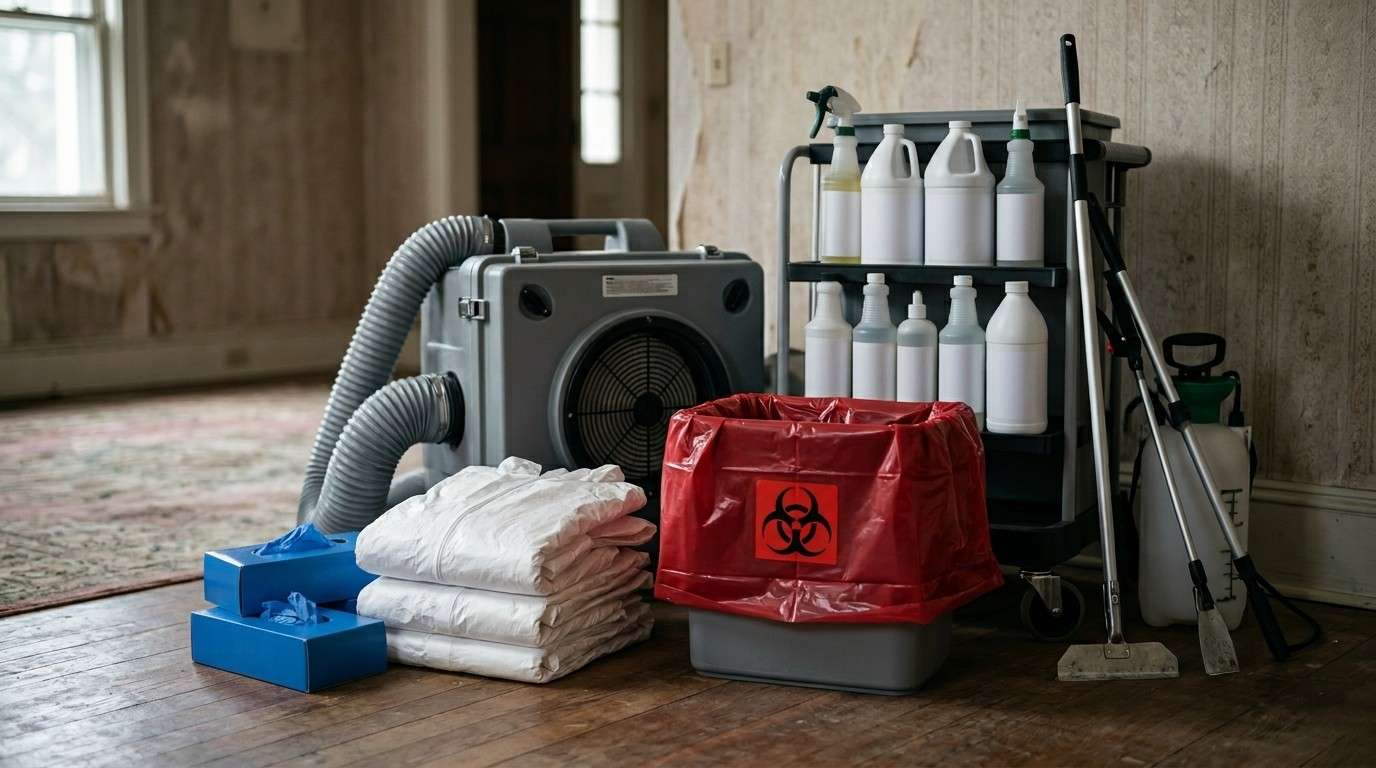
    6. Equipment and Protective Measures

    Professional crews use:

    • PPE suits
    • Respirators
    • HEPA filtration systems
    • Commercial disinfectants
    • ATP testing equipment
    • Specialized containment systems

    These resources contribute to overall pricing but are necessary for safe remediation.

    Cost Breakdown by Type of Biohazard Cleanup

    Crime Scene Cleanup

    Certified crime scene cleanup services involve removing blood, bodily fluids, fingerprints powders, and contaminated materials.

    Average Cost:
    $2,500 – $15,000+

    Factors affecting pricing include:

    • Extent of contamination
    • Structural damage
    • Number of affected rooms
    • Disposal requirements

    Trauma Scene Cleanup

    Trauma and biohazard cleanup company services often involve accidents, injuries, and emergency incidents.

    Average Cost:
    $2,000 – $10,000+

    Unattended Death Cleanup

    Unattended death cleanup is among the most complex forms of biohazard remediation.

    Average Cost:
    $3,000 – $25,000+

    Costs increase when decomposition has affected flooring, drywall, insulation, or HVAC systems.

    Blood Cleanup Services

    Emergency blood cleanup services typically range from:

    $500 – $3,000+

    Pricing depends on:

    • Blood volume
    • Surface types
    • Exposure duration
    • Required decontamination level

    Infectious Disease Cleanup

    Professional infection control cleaning and disinfection services became increasingly important after global health emergencies.

    Average Cost:
    $1,000 – $8,000+

    These projects often include:

    • Virus decontamination services
    • Pathogen cleanup
    • Biohazard cleaning and disinfection services

    Sewage Cleanup

    Sewage cleanup and sewage contamination cleaning require immediate action to prevent bacterial growth and property damage.

    Average Cost:
    $2,000 – $10,000+

    Hoarding Cleanup Services

    Severe hoarding cases often require:

    • Hoarder house cleaning
    • Property restoration
    • Odor treatment
    • Biohazard removal

    Average Cost:
    $1,500 – $20,000+

    Residential vs. Commercial Biohazard Cleaning Costs

    Residential Biohazard Cleaning

    Common residential services include:

    • Residential biohazard cleaning
    • Residential biohazard cleanup specialists
    • Apartment biohazard cleanup
    • Home biohazard cleanup
    • Feces removal
    • Death scene remediation

    Average Cost:
    $1,000 – $10,000+

    Commercial Biohazard Cleaning

    Businesses may require:

    • Commercial biohazard cleaning
    • Workplace biohazard cleanup
    • Workplace contamination cleanup
    • Healthcare facility cleaning
    • Hospital biohazard cleaning
    • Clinic decontamination services
    • Emergency response cleaning

    Average Cost:
    $2,500 – $50,000+

    Why Professional Biohazard Cleaning Is Worth the Cost

    Attempting cleanup without proper training can expose occupants to serious health risks.

    Benefits of hiring certified biohazard cleanup professionals include:

    Regulatory Compliance

    Experts follow OSHA, EPA, and local guidelines for hazardous waste cleaning and disposal.

    Thorough Decontamination

    Professional teams provide:

    • Biohazard sanitation
    • Property decontamination
    • Contamination removal
    • Advanced disinfection

    Safety Protection

    Proper PPE and containment procedures prevent cross-contamination and exposure.

    Odor Elimination

    Many situations require professional odor removal services to fully restore indoor environments.

    Does Insurance Cover Biohazard Cleanup?

    In many situations, insurance may cover part or all of the cleanup cost.

    Coverage often applies to:

    • Crime scenes
    • Traumatic events
    • Certain accidental incidents
    • Sewage backups (depending on policy)
    • Property contamination events

    Property owners should contact their insurance carrier immediately after an incident to determine eligibility.

    How to Choose a Biohazard Cleaning Company

    When searching for biohazard cleaning near me or biohazard cleanup near me, look for:

    Certification and Training

    Choose a provider offering certified biohazard cleanup with documented training and compliance.

    Rapid Response Availability

    Emergencies require fast action. Look for:

    • Emergency biohazard cleanup
    • Emergency biohazard cleaning services
    • 24/7 availability

    Experience

    A trusted biohazard cleaning company should have experience handling:

    • Crime scenes
    • Trauma incidents
    • Medical contamination
    • Sewage events
    • Hoarding situations

    Proper Equipment

    Qualified biohazard cleaning contractors should use professional-grade equipment and 

    Frequently Asked Questions

    How much does biohazard cleaning cost?

    Most projects range from $500 to over $25,000 depending on contamination type, area size, and remediation complexity.

    What is included in professional biohazard cleaning?

    Services typically include assessment, containment, cleaning, disinfection, biohazard decontamination, waste disposal, and final verification.

    Does homeowners insurance cover biohazard cleanup?

    Many policies provide coverage for specific incidents, though coverage varies by provider and policy type.

    How quickly should biohazard cleanup begin?

    Immediately. Fast response reduces contamination spread and helps limit restoration costs.

    Are biohazard cleaning companies available 24/7?

    Many providers offer 24 hour biohazard cleanup and emergency response services.

    Why hire professional biohazard cleaning services?

    Professionals have specialized training, equipment, certifications, and disposal procedures necessary for safe cleanup.

    Conclusion

    The cost of biohazard cleaning varies based on the severity of contamination, affected area size, disposal requirements, and emergency response needs. While costs can range from a few hundred dollars to tens of thousands, professional cleanup ensures safety, compliance, and complete restoration.

    Whether you need crime scene cleanup, blood cleanup services, infectious disease cleanup, sewage cleanup, or full biohazard remediation, working with experienced professionals is the safest and most effective solution.

    Quick Response Restoration provides fast, reliable, and compassionate biohazard cleanup services. Our trained specialists are available to handle emergencies with discretion, professionalism, and industry-leading remediation practices.

    Contact Quick Response Restoration today for immediate assistance and a detailed assessment of your cleanup needs.

  • Why Halal Burritos Are Taking Over Fast Food in 2026

    Why Halal Burritos Are Taking Over Fast Food in 2026

    Fast food in 2026 looks very different from what it did just a few years ago. Consumers are no longer satisfied with generic options—they want bold flavors, dietary inclusivity, and transparency in how their food is prepared. Enter Halal Burritos, a trend that has rapidly evolved from niche to mainstream. Combining the rich spices of Middle Eastern cuisine with the structure and convenience of Mexican favorites, halal burritos are redefining what fast food can be.

    At AL TACOS LOCOS, this fusion isn’t just a trend it’s a movement. From late night cravings to healthy meal choices, halal wraps and burritos are becoming the go-to option for modern diners.

    What Are Halal Burritos?

    A halal burrito is a fusion dish that blends traditional Mexican structure—tortilla wraps, rice, beans—with halal-certified meats and ingredients. Unlike conventional burritos, these are prepared following Islamic dietary guidelines, ensuring ethical sourcing and preparation.

    Think of it as the perfect crossover between:

    • halal tacos
    • halal shawarma wrap
    • halal gyros
    • halal rice bowls

    This unique combination has given rise to fusion halal burritos, a category that appeals to both adventurous food lovers and those seeking halal mexican restaurant options.

    Why Halal Burritos Are Trending in 2026

    1. Cultural Fusion Is Driving Demand

    The popularity of halal tex mex food has exploded thanks to multicultural cities and globalized tastes. A street style halal burrito delivers bold spices, grilled meats, and fresh toppings all in one bite.

    2. Social Media Virality

    The viral halal burrito trend on platforms like TikTok has turned dishes like the loaded halal burrito and cheesy halal burrito into must-try experiences. Challenges like the halal burrito challenge are also boosting visibility.

    3. Convenience Meets Customization

    Modern diners want customizable meals. Whether it’s a halal burrito bowl, halal veggie burrito, or spicy halal burrito, there’s something for everyone.

    The Rise of Mexican Halal Food

    The fusion of mexican halal food is no longer experimental—it’s now a staple in urban dining. Restaurants offering halal tacos and burritos, halal quesadilla, and halal fajitas are seeing massive growth.

    What sets a halal taco and burrito shop apart is:

    • Certified halal ingredients
    • Fresh preparation
    • Cross-cultural flavor profiles

    This has made the halal burrito restaurant concept incredibly appealing to a wider audience.

    Popular Types of Halal Burritos

    Protein-Based Favorites

    • Grilled chicken halal burrito
    • Beef halal burrito
    • Steak halal burrito
    • Spicy beef halal burrito wrap

    Fusion & Specialty Options

    • Chicken shawarma burrito
    • Halal rice burrito
    • Halal breakfast burrito
    • Halal veggie burrito

    Loaded & Indulgent Picks

    • Loaded halal burrito
    • Cheesy halal burrito
    • Halal burrito combo meal

    These options cater to both indulgent cravings and healthy halal burrito options, making them versatile for all types of eaters.

    Local Demand: Halal Burritos Near Me Searches Are Exploding

    Search trends show a massive increase in queries like:

    • halal burritos near me
    • halal mexican food near me
    • best chicken halal burrito near me
    • where to get halal burritos

    This reflects a shift in consumer behavior toward:

    • convenience (halal burrito delivery)
    • accessibility (late night halal burritos)
    • affordability (affordable halal burritos)

    Health, Affordability, and Flavor Combined

    One major reason halal fast food burritos are taking over is their balance of nutrition and taste.

    Why Customers Love Them:

    • Lean meats like grilled chicken
    • Fresh vegetables and herbs
    • Balanced portions with rice and protein
    • Customizable for dietary needs

    Compared to traditional fast food, authentic halal burritos offer a cleaner, more satisfying experience.

    How AL TACOS LOCOS Leads the Halal Burrito Scene

    At AL TACOS LOCOS, innovation meets authenticity. As a trusted halal burrito restaurant, they specialize in:

    • Freshly made halal wraps and burritos
    • Signature spicy halal burrito recipes
    • Premium halal tacos, halal nachos, and halal quesadillas
    • Affordable halal burrito deals and combo meals

    Whether you’re looking to order halal burritos online or need halal burrito catering, they deliver consistent quality and bold flavors.

    FAQs

    1. What makes a halal burrito different?

    A halal burrito uses halal-certified meat and ingredients, ensuring ethical preparation while maintaining bold flavors.

    2. Where can I find the best halal burritos near me?

    Look for a trusted halal burrito restaurant like AL TACOS LOCOS offering fresh and authentic options.

    3. Are halal burritos healthy?

    Yes, especially when made with lean proteins, fresh vegetables, and balanced portions.

    4. Can I order halal burritos online?

    Absolutely. Many places now offer halal burrito delivery and online ordering options.

    5. What is the most popular halal burrito?

    The grilled chicken halal burrito and spicy halal burrito are among the top choices.

    6. Do halal burrito shops offer catering?

    Yes, many provide halal burrito catering for events and gatherings.

    Conclusion

    The rise of Halal Burritos in 2026 is more than just a food trend—it’s a reflection of changing consumer values. People want meals that are flavorful, inclusive, and convenient. With the perfect blend of Mexican structure and halal authenticity, these burritos are redefining fast food.If you’re ready to experience the best halal burritos, AL TACOS LOCOS is your go-to destination. From bold flavors to customizable options, they bring the future of fast food straight to your plate.

  • How a Commercial Locksmith in Northbridge Can Prevent Costly Business Break-Ins

    How a Commercial Locksmith in Northbridge Can Prevent Costly Business Break-Ins

    Business break-ins are more than just an inconvenience — they can lead to stolen assets, damaged property, operational downtime, and long-term financial losses. For businesses operating in busy commercial areas like Northbridge, security should never be an afterthought. Whether you manage a retail store, office building, restaurant, warehouse, or hotel, partnering with a trusted Commercial Locksmith Northbridge expert can significantly reduce your risk of burglary and unauthorized access.

    At Locksmith Ninja Perth, we help businesses strengthen their security with modern lock systems, advanced access control technology, and rapid emergency locksmith support. From commercial lock installation Northbridge services to complete commercial property security upgrades, a professional locksmith can identify vulnerabilities before criminals exploit them.

    This guide explains how commercial locksmith services protect businesses in Northbridge and which security upgrades offer the best protection against costly break-ins.

    Why Businesses in Northbridge Are Vulnerable to Break-Ins

    Northbridge is one of Perth’s busiest commercial districts, attracting heavy foot traffic day and night. While this creates opportunities for businesses, it also increases security risks. Criminals often target properties with outdated locks, poor access control, or weak entry points.

    Common vulnerabilities include:

    • Old or damaged locks
    • Lost or duplicated keys
    • Weak commercial door hardware
    • Lack of surveillance integration
    • Poorly secured rear entrances
    • No access tracking system

    A professional Northbridge commercial locksmith can assess these risks and recommend tailored security upgrades for businesses of all sizes.

    The Role of a Commercial Locksmith in Business Security

    A qualified business locksmith Northbridge specialist does far more than unlock doors. Modern commercial locksmiths focus on comprehensive commercial security solutions designed to protect employees, inventory, and sensitive information.

    Services typically include:

    • Commercial lock installation Northbridge
    • Commercial lock repair Northbridge
    • Commercial rekeying Northbridge
    • Commercial lock replacement Northbridge
    • Electronic door locks Northbridge
    • Door closer installation Northbridge
    • Panic bar installation Northbridge
    • Restricted key systems Northbridge

    Professional locksmiths also help businesses comply with safety regulations while improving day-to-day access management.

    High-Security Lock Systems for Commercial Properties

    Traditional locks are no longer enough for many businesses. Criminals today use advanced methods to bypass outdated systems, making high security locks Northbridge an essential investment.

    Benefits of High-Security Locks

    • Pick-resistant cylinders
    • Drill-resistant hardware
    • Restricted key duplication
    • Stronger commercial door hardware
    • Improved protection for sensitive areas

    A trusted industrial locksmith Northbridge professional can recommend the best lock systems for warehouses, offices, retail stores, and commercial buildings.

    Businesses often combine security door locks Northbridge solutions with reinforced entry systems to improve overall commercial property security.

    Access Control Systems and Keyless Entry Solutions

    Modern businesses are increasingly moving toward access control systems Northbridge and keyless entry systems Northbridge to improve security and convenience.

    Advantages of Access Control Systems

    • Track employee access
    • Restrict access to sensitive areas
    • Remove the need for physical keys
    • Instantly revoke access permissions
    • Improve office security systems

    An experienced commercial access control installation Northbridge specialist can install systems such as:

    • Swipe card access
    • PIN code systems
    • Smart locks for businesses
    • Biometric readers
    • Mobile app-based access

    These advanced business lock systems are particularly useful for offices, hotels, warehouses, and strata-managed properties.

    Master Key Systems for Better Security Management

    For businesses with multiple rooms or departments, master key systems Northbridge provide both convenience and security.

    With a master key system:

    • Employees only access authorized areas
    • Managers maintain full property access
    • Key management becomes easier
    • Security risks from duplicated keys are reduced

    A professional corporate locksmith Northbridge provider can design a custom hierarchy that improves operational efficiency without compromising security.

    Emergency Commercial Locksmith Services in Northbridge

    Security emergencies can happen at any time. Whether your business experiences a break-in, lock failure, or employee lockout, rapid assistance is critical.

    A reliable emergency commercial locksmith Northbridge service offers:

    • Immediate lock repairs
    • Emergency rekeying
    • Break-in damage repairs
    • Office lockout assistance
    • After-hours support

    Choosing a 24 hour commercial locksmith Northbridge provider ensures your business remains protected around the clock.

    At Locksmith Ninja Perth, our mobile technicians deliver fast response times throughout Northbridge and surrounding areas.

    Industry-Specific Locksmith Solutions

    Different industries require different levels of security. A professional local commercial locksmith Northbridge company understands these unique needs.

    Retail Stores

    A retail shop locksmith Northbridge specialist can install:

    • Roller door locks
    • Display cabinet locks
    • Alarm-compatible locks
    • After-hours security upgrades

    Warehouses

    A warehouse locksmith Northbridge expert focuses on:

    • Heavy-duty locking systems
    • Access control integration
    • Loading dock security
    • Restricted key systems

    Office Buildings

    An office building locksmith Northbridge professional helps improve:

    • Employee access control
    • Visitor management
    • Smart locks for businesses
    • Office security systems

    Restaurants and Hotels

    A restaurant locksmith Northbridge or hotel locksmith Northbridge technician can secure:

    • Staff-only areas
    • Storage rooms
    • Guest access systems
    • Emergency exit hardware

    Real Estate and Strata

    A real estate locksmith Northbridge or strata locksmith Northbridge service often includes:

    • Rekeying between tenants
    • Shared access management
    • Master key systems
    • Emergency lock replacements

    Signs Your Business Security Needs an Upgrade

    Many business owners wait until after a break-in before improving security. However, there are warning signs that indicate it’s time to contact a commercial locksmith services in Northbridge provider.

    You may need an upgrade if:

    • Your locks are more than 10 years old
    • Employees still use shared keys
    • You’ve experienced attempted break-ins
    • Your locks jam frequently
    • You’ve lost track of key copies
    • Your property lacks access control systems

    An experienced business security locksmith Northbridge professional can assess your vulnerabilities and recommend cost-effective improvements.

    Why Choose Locksmith Ninja Perth

    When businesses need a dependable Commercial Locksmith Northbridge provider, they trust Locksmith Ninja Perth for fast, professional, and reliable service.

    Our commercial locksmith solutions include:

    • Commercial lock installation and repair
    • Master key systems
    • Access control systems
    • Electronic door locks
    • Emergency lockout services
    • Commercial safe locksmith Northbridge support
    • Security upgrades for businesses

    Whether you need an affordable commercial locksmith Northbridge provider or a complete security overhaul, our experienced technicians can help protect your business from costly break-ins.

    FAQs

    What does a commercial locksmith do?

    A commercial locksmith Northbridge specialist installs, repairs, and upgrades lock systems for businesses, offices, warehouses, hotels, and commercial properties.

    Are access control systems better than traditional locks?

    Yes. Access control systems Northbridge offer improved security, employee tracking, and remote management compared to traditional key systems.

    How often should commercial locks be rekeyed?

    Businesses should consider commercial rekeying Northbridge services whenever employees leave, keys are lost, or security concerns arise.

    Can a locksmith help after a break-in?

    Yes. An after hours locksmith Northbridge professional can repair damaged locks, secure entry points, and restore business security quickly.

    What industries benefit from commercial locksmith services?

    Retail stores, offices, warehouses, restaurants, hotels, real estate agencies, and strata properties all benefit from professional locksmith services.

    Do commercial locksmiths install smart locks?

    Yes. Many businesses now use smart locks for businesses and electronic door locks Northbridge systems for improved convenience and security.

    Conclusion

    Commercial break-ins can result in significant financial losses, operational disruption, and reputational damage. Investing in professional locksmith services is one of the smartest ways to protect your business assets and employees.

    From commercial lock replacement Northbridge services to advanced office security systems, a skilled locksmith can strengthen every layer of your business security. Whether you need emergency assistance, access control upgrades, or complete commercial security solutions, working with a trusted local expert is essential.Locksmith Ninja Perth provides fast, reliable, and professional locksmith services tailored to businesses throughout Northbridge and surrounding areas. Contact our team today to improve your commercial property security and reduce the risk of costly break-ins.

  • How Blue Light Affects Sleep and the Best Ways to Block It Naturally

    How Blue Light Affects Sleep and the Best Ways to Block It Naturally

    In today’s digital world, most people spend hours staring at smartphones, laptops, tablets, and LED screens. While technology improves productivity and entertainment, excessive exposure to blue light can disrupt sleep cycles, increase digital eye strain, and negatively impact long-term eye wellness. Many office workers, students, gamers, and remote professionals experience screen fatigue, headaches, and difficulty falling asleep after extended screen use.

    Understanding how Blue Light Protection works can help you create healthier screen habits while improving visual comfort and sleep quality. From blue light blocking glasses to natural lifestyle adjustments, there are many effective ways to reduce exposure and support better sleep protection from blue light. At Arizona’s Vision Eye Care Center, helping patients achieve healthier vision and digital wellness is a top priority.

    What Is Blue Light?

    Blue light is a high-energy visible light emitted naturally by the sun and artificially by digital screens, LED lighting, and electronic devices. Phones, tablets, gaming systems, televisions, and computer monitors all produce blue wavelengths that can affect your eyes and brain.

    During daytime hours, moderate blue light exposure helps boost alertness and focus. However, excessive nighttime exposure from screens can interfere with melatonin production, making it harder to sleep.

    Common sources of blue light include:

    • Smartphones
    • Tablets
    • LED lights
    • Computer monitors
    • Gaming screens
    • TVs
    • Laptop displays

    This is why many people now seek blue light reduction solutions such as blue light filters, screen protector blue light filters, and blue light blocking glasses.

    How Blue Light Affects Sleep

    Your body follows a natural circadian rhythm that regulates sleep and wake cycles. Blue light exposure at night tricks the brain into thinking it is still daytime, suppressing melatonin production.

    As a result, people may experience:

    • Difficulty falling asleep
    • Poor sleep quality
    • Reduced REM sleep
    • Morning fatigue
    • Increased screen fatigue
    • Eye discomfort

    Using blue light prevention methods can significantly improve sleep quality and support digital wellness. Individuals who regularly use night mode protection, blue light app filters, or low blue light displays often report better sleep patterns and reduced eye fatigue.

    Why Screen Exposure Before Bed Is Harmful

    Late-night scrolling, gaming, or working on computers exposes the eyes to intense artificial light. Over time, this contributes to:

    • Digital eye strain
    • Computer vision syndrome
    • Light sensitivity
    • Headaches
    • Visual discomfort
    • Sleep disruption

    This is why sleep protection from blue light has become a major focus in modern eye care technology.

    Signs You Need Better Blue Light Defense

    You may benefit from stronger screen light protection if you experience:

    • Dry or irritated eyes
    • Frequent headaches
    • Blurred vision
    • Trouble sleeping after screen use
    • Eye fatigue prevention concerns
    • Neck or shoulder tension
    • Increased sensitivity to LED lighting

    Many patients seeking eye strain relief are surprised to discover that excessive screen exposure is a leading cause of discomfort.

    The Connection Between Screens and Eye Strain

    Modern lifestyles revolve around digital devices. Long hours spent staring at screens can reduce blinking rates and increase exposure to glare and harsh light.

    This contributes to:

    Digital Eye Strain

    Also known as computer vision syndrome, this condition includes:

    • Eye fatigue
    • Burning eyes
    • Blurred vision
    • Dryness
    • Difficulty focusing

    Screen Glare Reduction Matters

    Glare from screens forces the eyes to work harder. Using anti glare screen protectors, blue light monitor filters, and anti glare glasses can improve display comfort and reduce visual stress.

    Eye Wellness and Retina Protection

    Although research continues regarding long-term retinal effects, many experts recommend proactive vision protection and retina protection strategies to support overall eye health.

    Natural Ways to Block Blue Light

    Fortunately, there are several effective ways to improve digital eye protection naturally.

    1. Use Blue Light Blocking Glasses

    One of the most effective solutions is wearing blue light blocking glasses designed to filter artificial screen light.

    Benefits include:

    • Better sleep support
    • Reduced digital eye strain
    • Improved eye comfort for screens
    • Headache reduction
    • Enhanced visual comfort

    Options include:

    • Prescription blue light glasses
    • Non prescription blue light glasses
    • Gaming glasses
    • Computer glasses
    • Screen glasses

    Many people searching for the best blue light glasses choose lightweight styles suitable for work, gaming, and school.

    2. Enable Night Mode Protection

    Most smartphones, tablets, and laptops include built-in blue light app filters or night mode protection settings.

    These features help:

    • Reduce harsh screen brightness
    • Lower blue wavelength exposure
    • Improve nighttime viewing comfort

    Combining device settings with blue light eyewear offers stronger blue light defense.

    3. Limit Screen Time Before Bed

    Reducing device usage 1–2 hours before bedtime helps restore healthy melatonin production.

    Instead of screen use, try:

    • Reading printed books
    • Meditation
    • Stretching
    • Relaxation exercises
    • Listening to calming music

    This supports healthier sleep and reduces screen fatigue.

    4. Use Proper Lighting

    Avoid dark rooms with bright screens. Balanced ambient lighting reduces contrast stress and supports display comfort.

    Warm lighting options can also reduce excessive LED exposure and improve eye wellness.

    5. Follow the 20-20-20 Rule

    Every 20 minutes:

    • Look at something 20 feet away
    • For at least 20 seconds

    This simple strategy helps reduce eye strain from screens and supports healthy focusing muscles.

    Benefits of Blue Light Blocking Glasses

    Many patients ask, Does blue light protection work?

    For many screen users, the answer is yes. Quality blue light protection lenses can help reduce discomfort associated with prolonged digital exposure.

    Key Benefits Include:

    • Improved sleep quality
    • Reduced eye fatigue
    • Better focus during work
    • Fewer headaches
    • Enhanced screen time eye care
    • Better visual comfort
    • Reduced glare exposure

    People who spend long hours on digital devices often benefit from premium blue light protection solutions tailored to their daily needs.

    Choosing the Best Blue Light Glasses

    The ideal blue light glasses for screen time depend on lifestyle and screen usage habits.

    Consider These Features:

    Blue Light Coating

    A specialized blue light coating helps filter artificial light while maintaining image clarity.

    UV and Blue Light Protection

    Some lenses combine UV and blue light protection for added outdoor and indoor coverage.

    Comfort and Style

    Today’s stylish blue light glasses are available in modern designs suitable for professionals, students, and gamers.

    Purpose-Specific Eyewear

    Different users may prefer:

    • Blue light protection for work
    • Blue light protection for gamers
    • Kids blue light glasses
    • Blue light protection for students

    Blue Light Protection for Work, Gaming, and Students

    Office Workers

    People working long hours on computers often benefit from:

    • Blue light protection for office workers
    • Laptop eye protection
    • Blue light monitor filters
    • Computer glasses

    Gamers

    Extended gaming sessions increase exposure to intense screen brightness. Many gamers use:

    • Gaming glasses
    • LED light protection
    • Anti glare glasses
    • Blue light shield solutions

    Students

    Children and teens now spend significant time on tablets and laptops. Phone blue light protection and healthy screen habits can help support concentration and sleep quality.

    Healthy Screen Habits for Better Sleep

    Combining multiple strategies offers the best long-term results for blue light protection for sleeping.

    Frequently Asked Questions

    How to protect eyes from blue light naturally?

    You can protect your eyes naturally by reducing nighttime screen exposure, enabling night mode settings, using warm lighting, following the 20-20-20 rule, and wearing blue light blocking glasses.

    Does blue light protection work?

    Many users report reduced digital eye strain, fewer headaches, and improved sleep quality when using blue light protection methods consistently.

    What are the best blue light protection options for computers?

    The best solutions include blue light blocking glasses, blue light monitor filters, anti glare screen protectors, and low blue light display settings.

    Are blue light glasses helpful for sleep?

    Yes. Many people use better sleep glasses to reduce nighttime blue light exposure and support healthier melatonin production.

    Who should use blue light glasses?

    Office workers, gamers, students, remote employees, and anyone with heavy screen exposure may benefit from blue light eyewear.

    Can children wear blue light glasses?

    Yes. Many parents choose kids blue light glasses to help reduce eye strain and encourage healthier screen habits.

    Conclusion

    As screen use continues to increase, protecting your eyes and sleep quality has never been more important. Excessive exposure to artificial blue light can contribute to digital eye strain, headaches, poor sleep, and reduced visual comfort. Fortunately, effective solutions such as blue light blocking glasses, screen filters, healthy lighting habits, and reduced nighttime screen use can make a significant difference.At Arizona’s Vision Eye Care Center, patients can receive professional guidance on Blue Light Protection, digital eye protection strategies, and personalized eyewear solutions designed for today’s screen-focused lifestyle.

  • Emergency Garage Doors Service: What to Do Fast

    Emergency Garage Doors Service: What to Do Fast

    When your garage door refuses to open especially when you’re rushing out or returning home late it quickly turns into more than an inconvenience. It can compromise your safety, disrupt your schedule, and even pose a security risk. Whether it’s a broken spring, a malfunctioning opener, or a door that’s gone off-track, knowing how to respond can save time and prevent further damage.

    In this guide, we’ll walk you through practical steps to take during an emergency, explain common causes, and help you decide when to call a professional like All American Overhead Garage Door. If you’re searching for reliable Garage Doors Service, this article will give you clarity and confidence in urgent situations.

    What Causes a Garage Door to Stop Working?

    A malfunctioning garage door can stem from several issues, including:

    🔧 Mechanical Failures

    • Broken springs requiring garage door springs replacement
    • Snapped cables needing garage door cable repair
    • Worn rollers or hinges needing garage door rollers replacement or garage door hinges repair

    ⚡ Electrical Problems

    • Faulty opener needing garage door opener repair
    • Sensor misalignment requiring garage door sensor repair

    🚪 Structural Issues

    • Bent tracks needing garage door track repair
    • Door off alignment requiring garage door off-track repair
    • Damaged panels needing garage door panel replacement

    Immediate Steps to Take During an Emergency

    When your garage door won’t open, stay calm and follow these steps:

    1. Check the Power Source

    Ensure the opener is plugged in and the breaker hasn’t tripped.

    2. Inspect the Remote & Wall Switch

    Sometimes the issue is as simple as dead batteries.

    3. Look for Visible Damage

    Check for broken springs, loose cables, or track obstructions.

    4. Use Manual Release (Carefully)

    Disconnect the opener and try lifting the door manually but only if it’s safe.

    5. Avoid Forcing the Door

    Forcing it can worsen damage and increase garage door repair cost.

    If these steps don’t work, it’s time for emergency garage door repair.

    Common Emergency Garage Door Repairs

    🚪 Broken Garage Door Repair

    One of the most frequent issues requiring same-day garage door repair.

    🔧 Garage Door Spring Repair

    Critical for lifting the door—this should always be handled by professionals.

    ⚙️ Garage Door Opener Repair

    If your opener fails, you may need garage door opener installation or repair.

    🔩 Garage Door Cable Repair

    Frayed or snapped cables can make the door unsafe.

    🛠 Overhead Door Repair

    Applies to both residential and commercial garage door repair needs.

    When to Call a Professional Garage Door Service

    You should contact a local garage door company immediately if:

    • The door is stuck halfway
    • You hear loud snapping sounds
    • The door is off-track
    • The opener is unresponsive
    • You need 24/7 garage door service

    Searching for garage door service near me? Choose experts who offer free estimate garage door repair and transparent pricing.

    Repair vs Replacement: What’s the Right Choice?

    Sometimes repair isn’t enough. Consider garage door replacement if:

    • The door is over 15–20 years old
    • Repairs are frequent and costly
    • You want modern upgrades like smart garage door opener installation

    Upgrade Options Include:

    • New garage door installation
    • Custom garage doors
    • Automatic garage door installation
    • Residential garage door installation
    • Commercial garage door installation

    Cost Factors for Emergency Garage Door Repair

    Pricing varies depending on:

    • Type of repair (spring, opener, track)
    • Urgency (after-hours or same-day garage door repair)
    • Parts needed
    • Labor complexity

    Typical concerns include:

    • How much does garage door repair cost?”
    • Finding cheap garage door service without sacrificing quality

    Always request garage door service quotes and compare garage door service deals.

    FAQs

    1. What should I do if my garage door opener is not working?

    Check batteries, power supply, and sensors. If unresolved, seek a garage door opener not working fix from professionals.

    2. How quickly can emergency garage door repair be done?

    Most companies offer same day garage door spring replacement and urgent fixes within hours.

    3. Is emergency garage door repair expensive?

    Costs vary, but many providers offer affordable garage door repair options and free estimates.

    4. Can I fix a broken garage door myself?

    Minor issues may be manageable, but major repairs like springs or cables require experts.

    5. How do I find the best garage door repair company near me?

    Look for licensed, insured providers with strong reviews and 24/7 availability.

    Conclusion

    A stuck garage door can disrupt your entire day but knowing what to do makes all the difference. From identifying the issue to taking safe initial steps, you can minimize damage and restore function quickly. For anything beyond basic troubleshooting, relying on a trusted provider like All American Overhead Garage Door ensures fast, safe, and professional results.